AI Strategist
Pioneering intelligent systems that understand human context and intent
- Agentic UX Framework
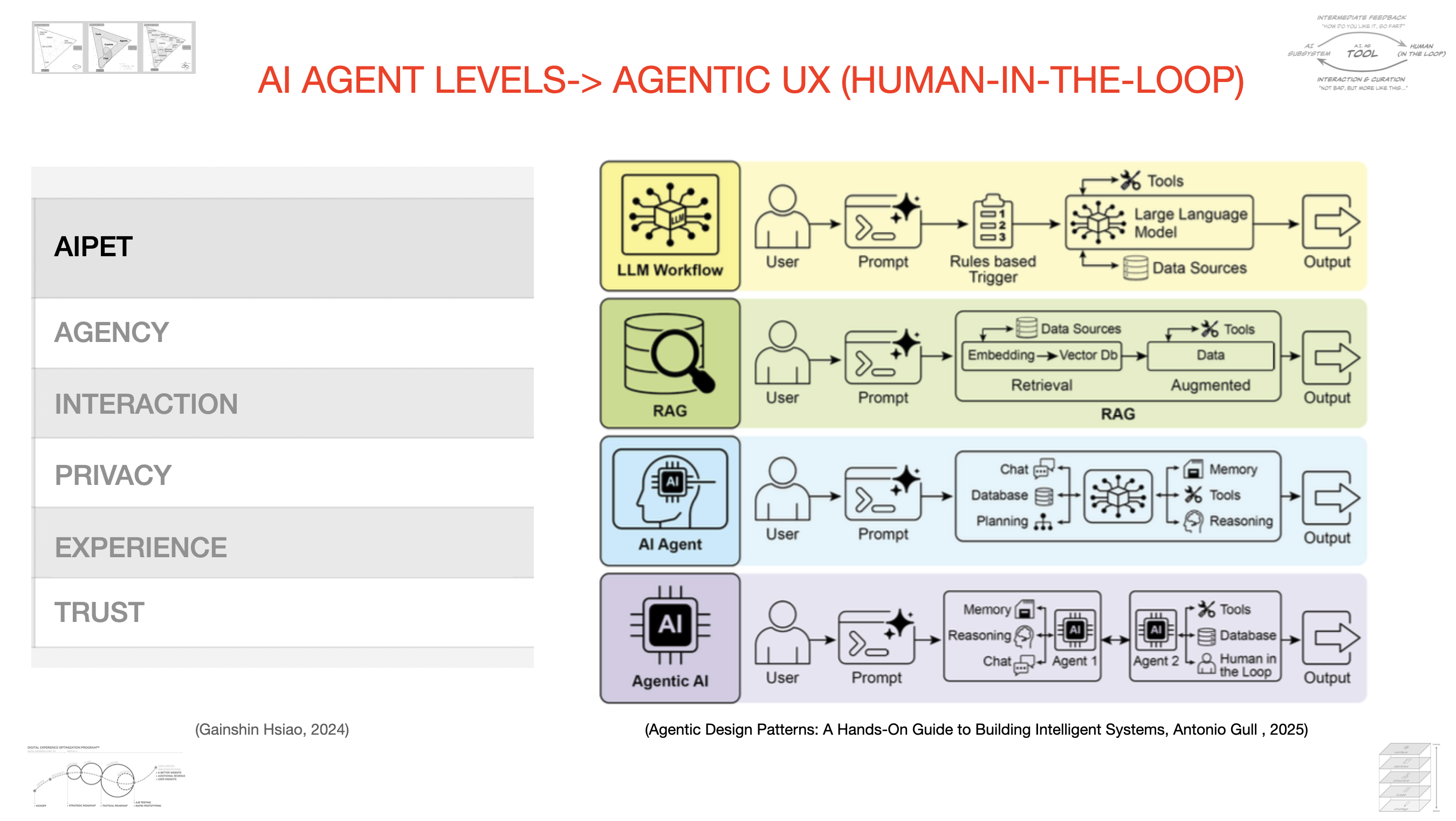
- AIPET Methodology
- AI Product Strategy
UX Architect
Crafting human-centered experiences through evidence-based design
- Human-Centered Design
- User Research
- Design Systems
Pioneering Agentic
User Experience
Designing proactive, trustworthy AI companions that foster independence, dignity, and connection, placing user privacy and control at the forefront.
Core Competencies
AI & Agentic UX
- AI agent workflow
- Agentic UX
- Human-Centered AI
- AI Trend Analysis & Foresight
Privacy & Ethics
- Privacy-first Design
- AI Ethics & Governance
- GDPR & PIPEDA Compliance
- Data Governance Strategy
Design & Strategy
- UX/Design Leadership
- AI Product Strategy & Roadmapping
- Service Design Strategy
- Startup Consulting & Mentoring
Agent Governance Column
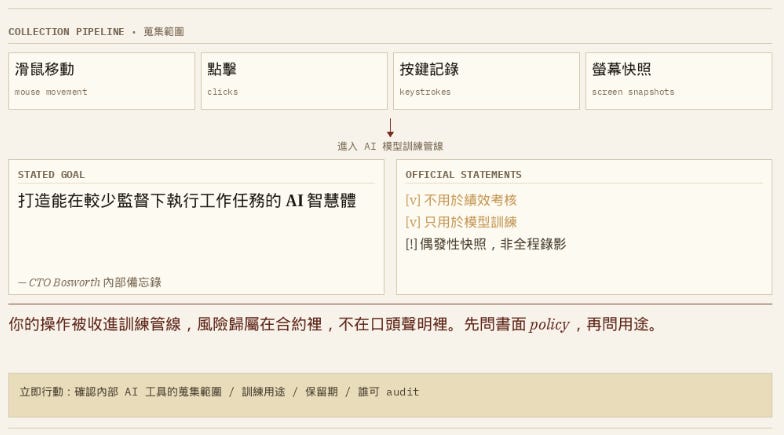
Original analysis on AI literacy, dark patterns, and privacy-UX. Writing weekly for 1,000+ subscribers. Was a “Top 25 Rising” newsletter in 2025 and is a “Top 9 Rising in Design domain” newsletter in 2026 Q1.






Privacy UX articles coming soon
The Privacy UX Substack is being migrated into this column view. In the meantime, browse the latest series directly:
Open Privacy UX SubstackColumn Highlights
How AI/UX Writing’s CoT Orchestrates Multiple Agents
Two editorial diagrams from the Substack — (A) how raw design artifacts become an agent-queryable wiki, and (B) the inside of a single Design Agent’s loop.
chat history isn’t
knowledge, the wiki is.
HCI/UX Community Co-Creation
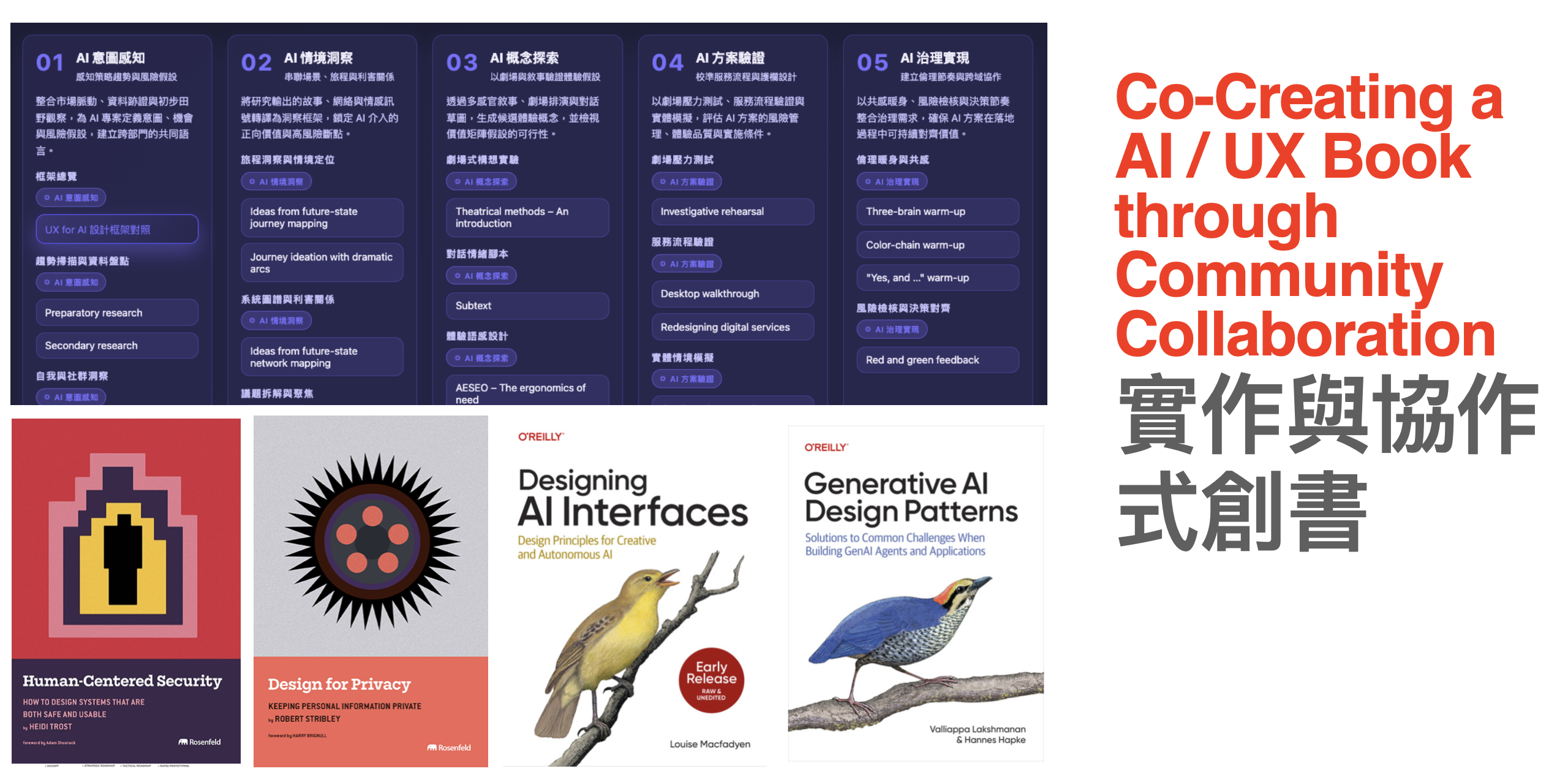
Co-Creating an AI / UX Book
6-month sprint · ongoing
Reading-Group Alumni Co-Creation · hosted on Patreon
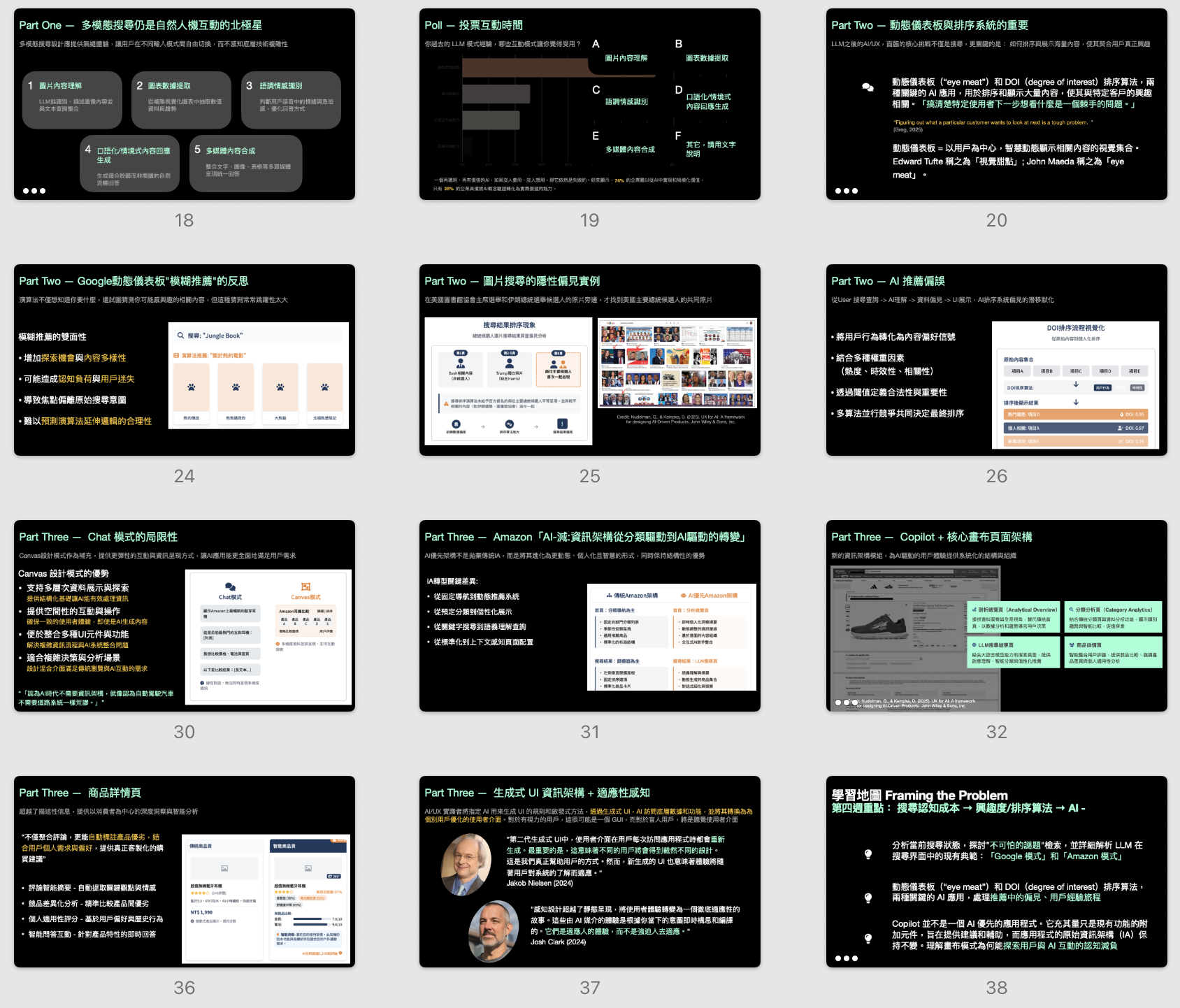
- Continuing book-creation initiative built with alumni of the UX For AI Reading Group — 22 chapters completed in 6 months, structured as a two-sided manuscript.
- Side A — UX Practice Path (AI in products): a linear “AI Literacy Formation Journey” — chapters that walk a practitioner from foundations to applied product decisions.
- Side B — Management Strategy Path (AI in your team): a goal-oriented “AI × Gen-Z Co-working Playbook” — strategy chapters for leaders managing AI-augmented Gen-Z teammates.
- Membership-supported on Patreon with an active trial-reader feedback loop — drafts iterate against real-reader reactions, not in isolation.

UX For AI Reading Group
6-week cohort
UserXper · Circle Community
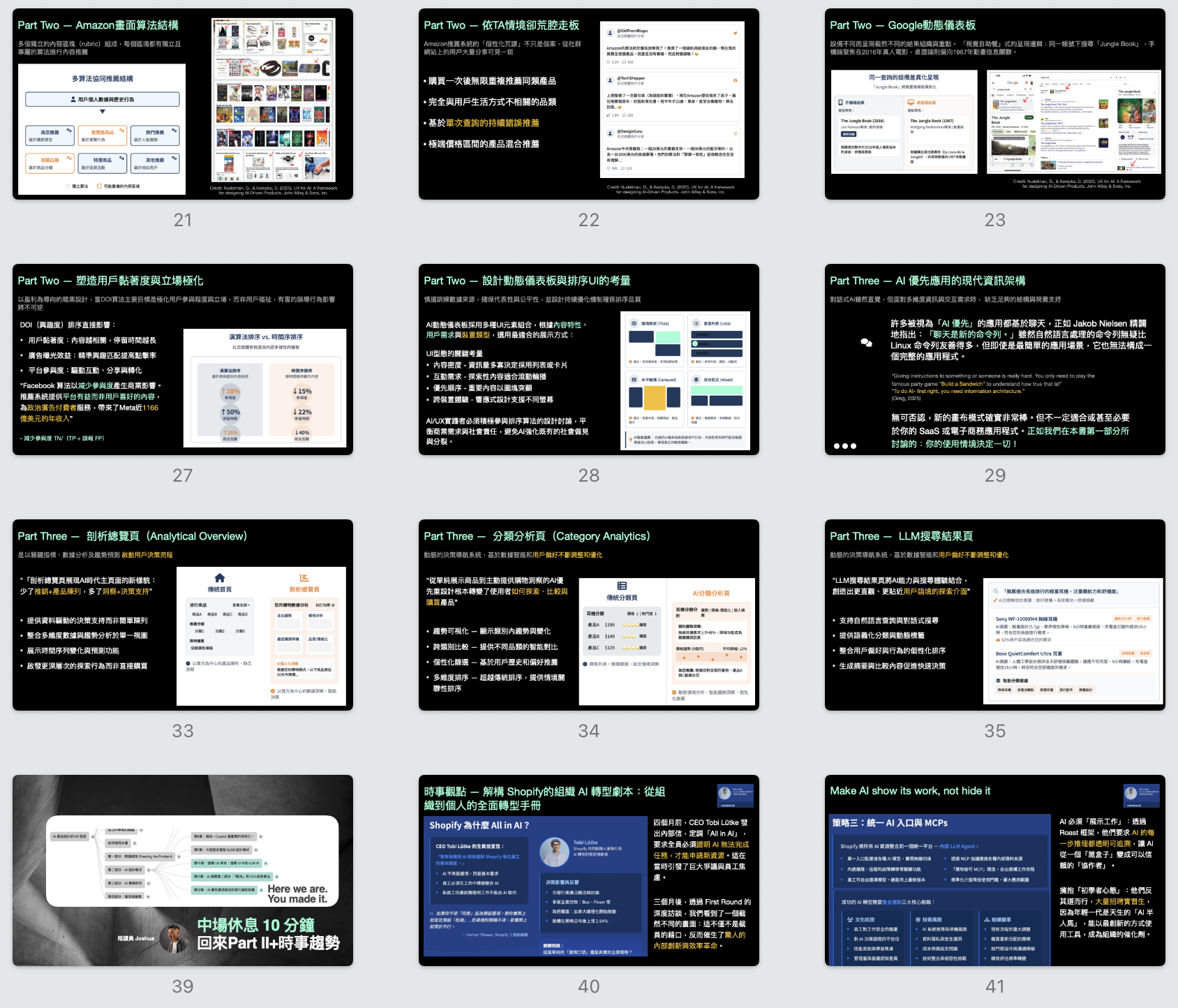
- Designed and delivered a 6-week applied reading group exploring UX patterns, governance frameworks, and design critiques for AI products — bridging academic HCI literature with practitioner workflows.
- Hosted live discussions and reading-circle sessions on the Circle community platform, with weekly assignments and group critiques.

Consulting Cases
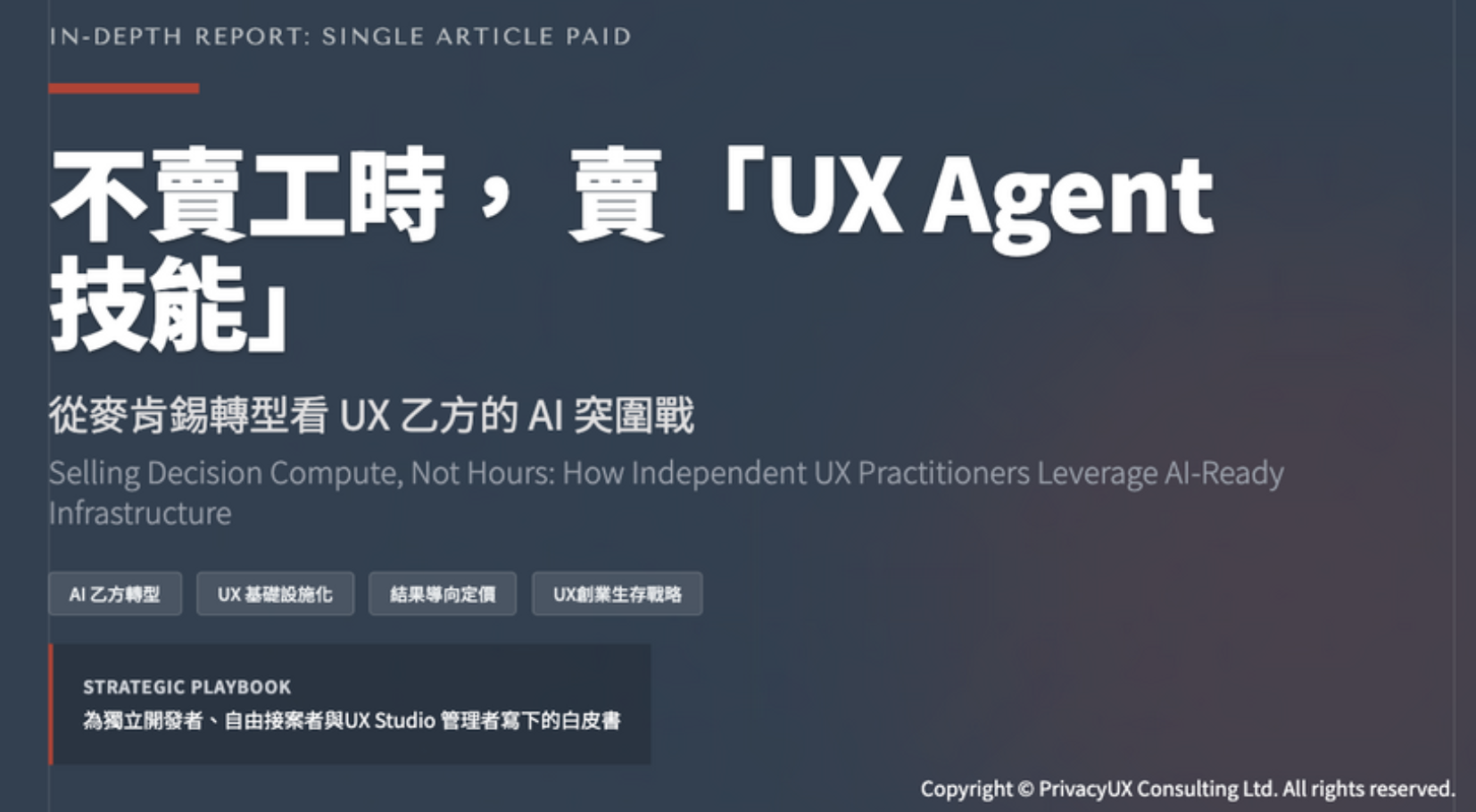
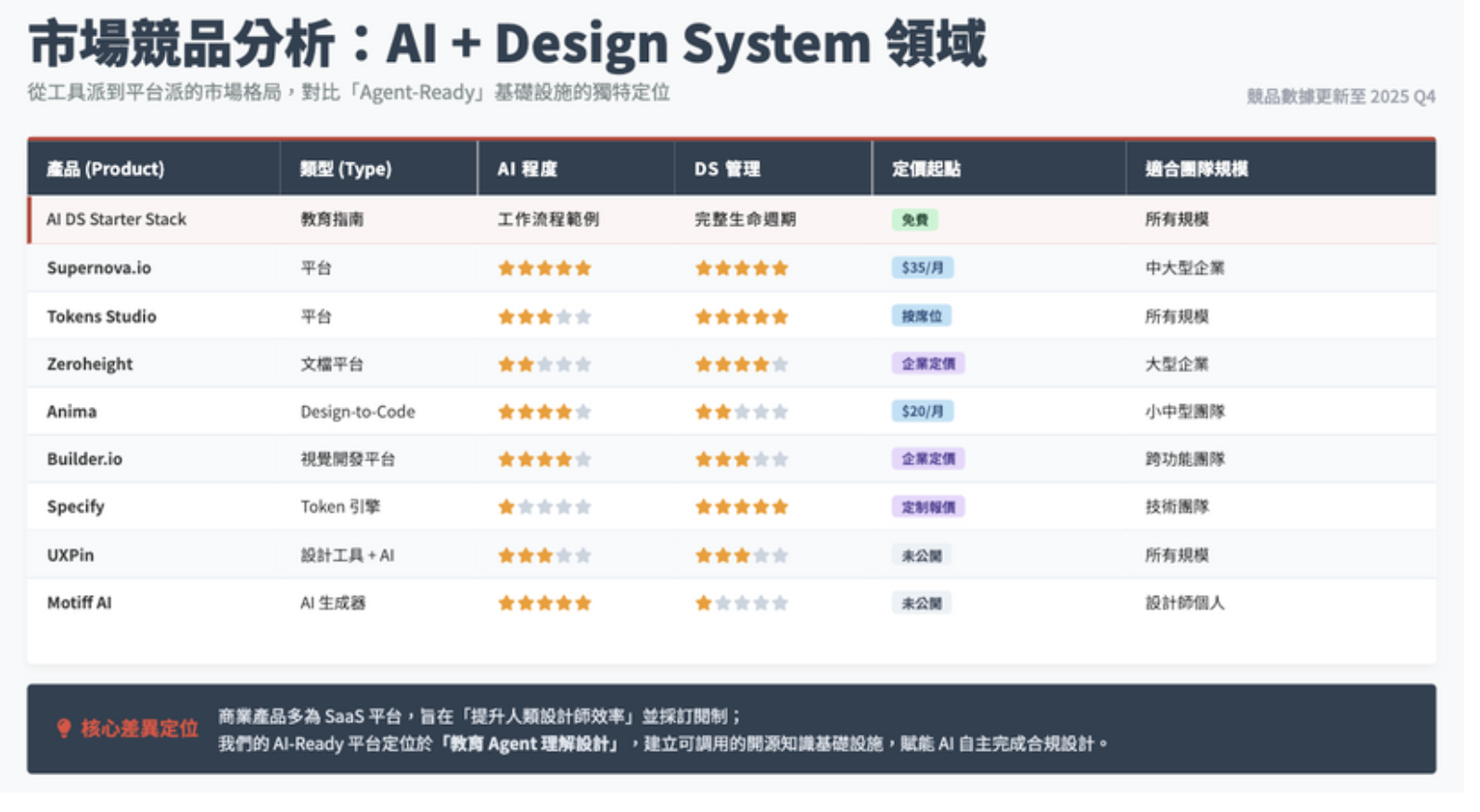
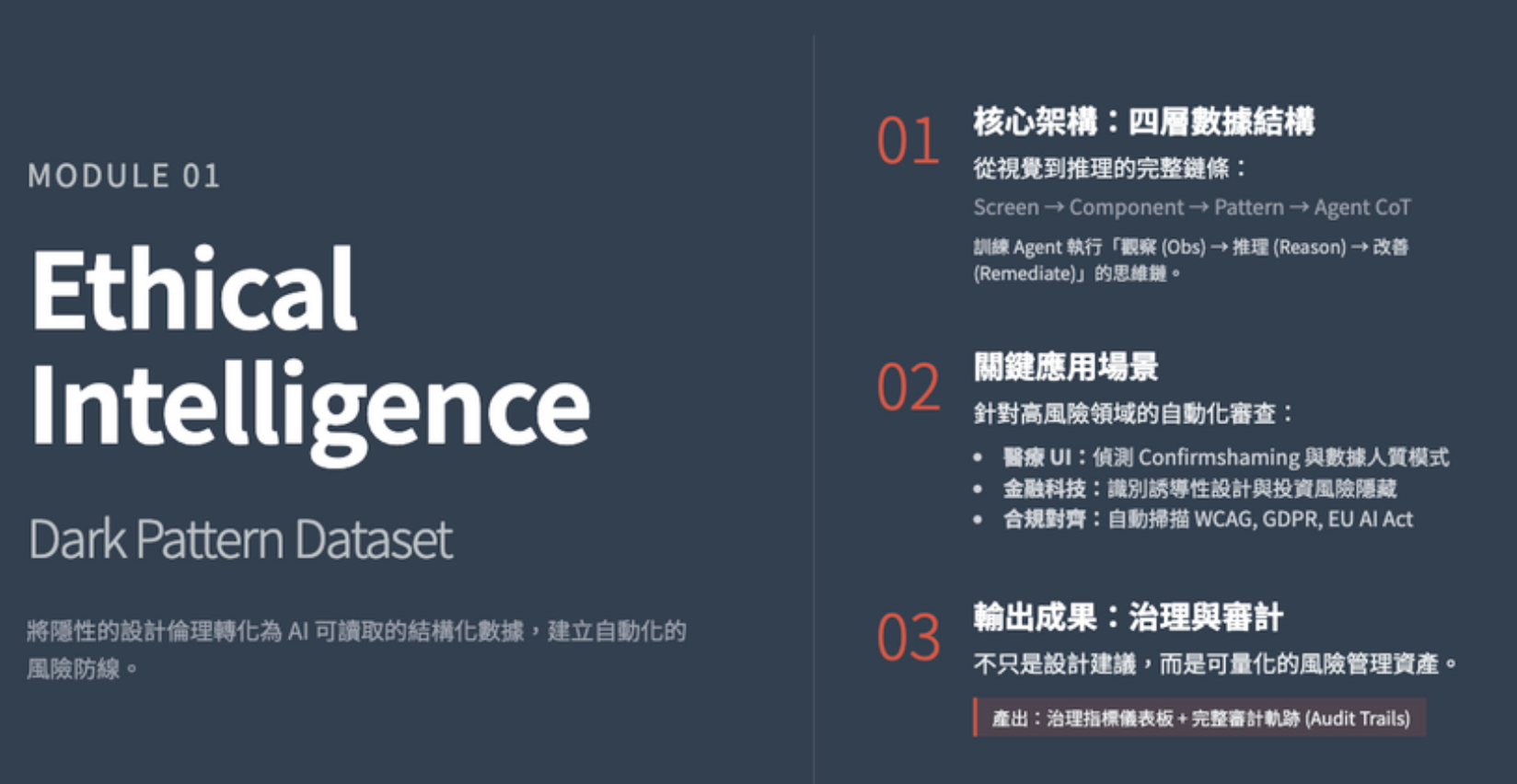
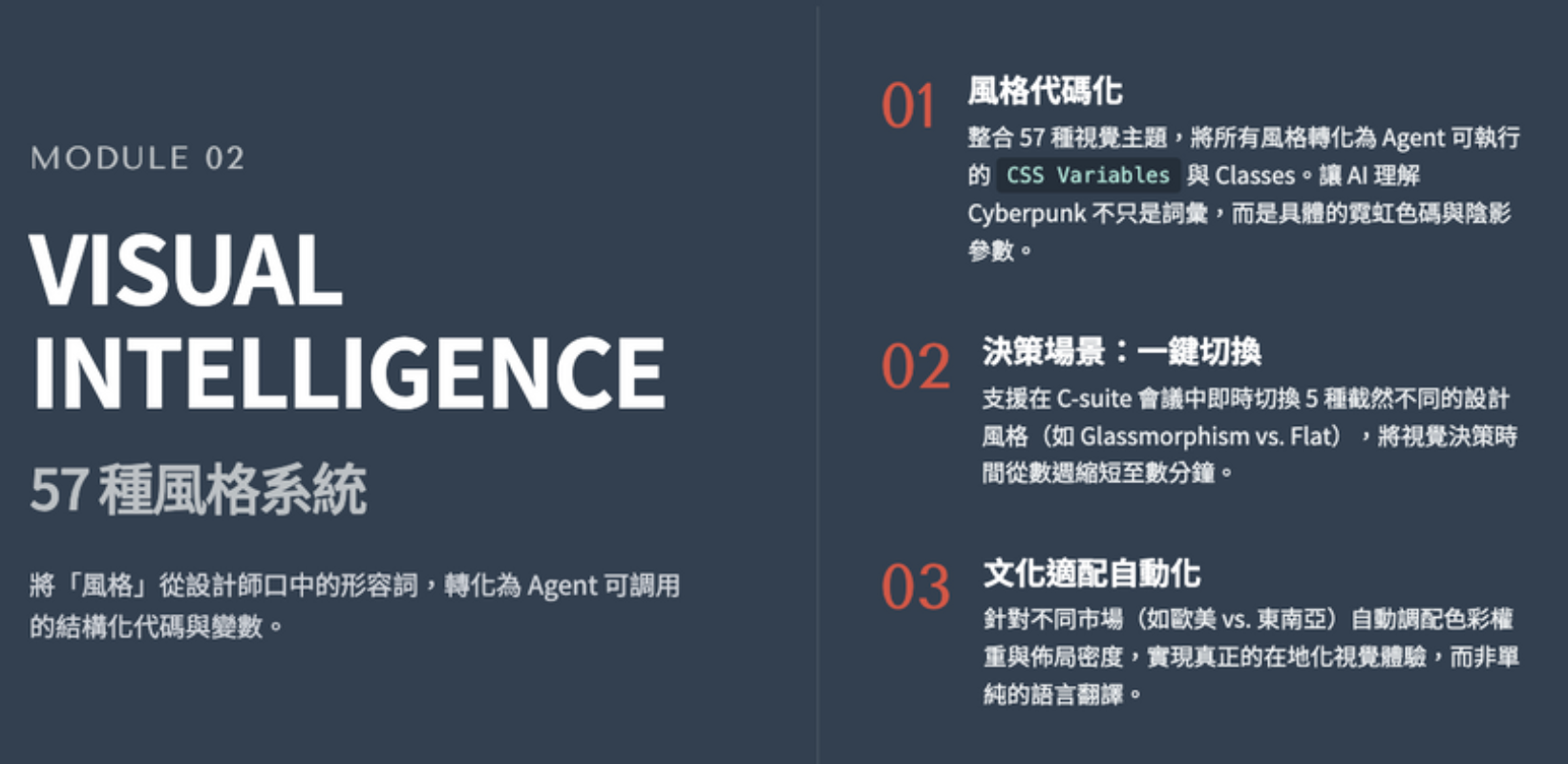
A McKinsey-Lens View on the AI Breakthrough for UX Consultancies
Convert the tacit wisdom behind design work into AI-queryable data assets — and UX consultancies can build a stronger moat in the AI era than traditional large-format firms. The case maps where the proprietary judgment actually lives, and how to encode it.
Client UX Design Consultancy — Industry Advisor
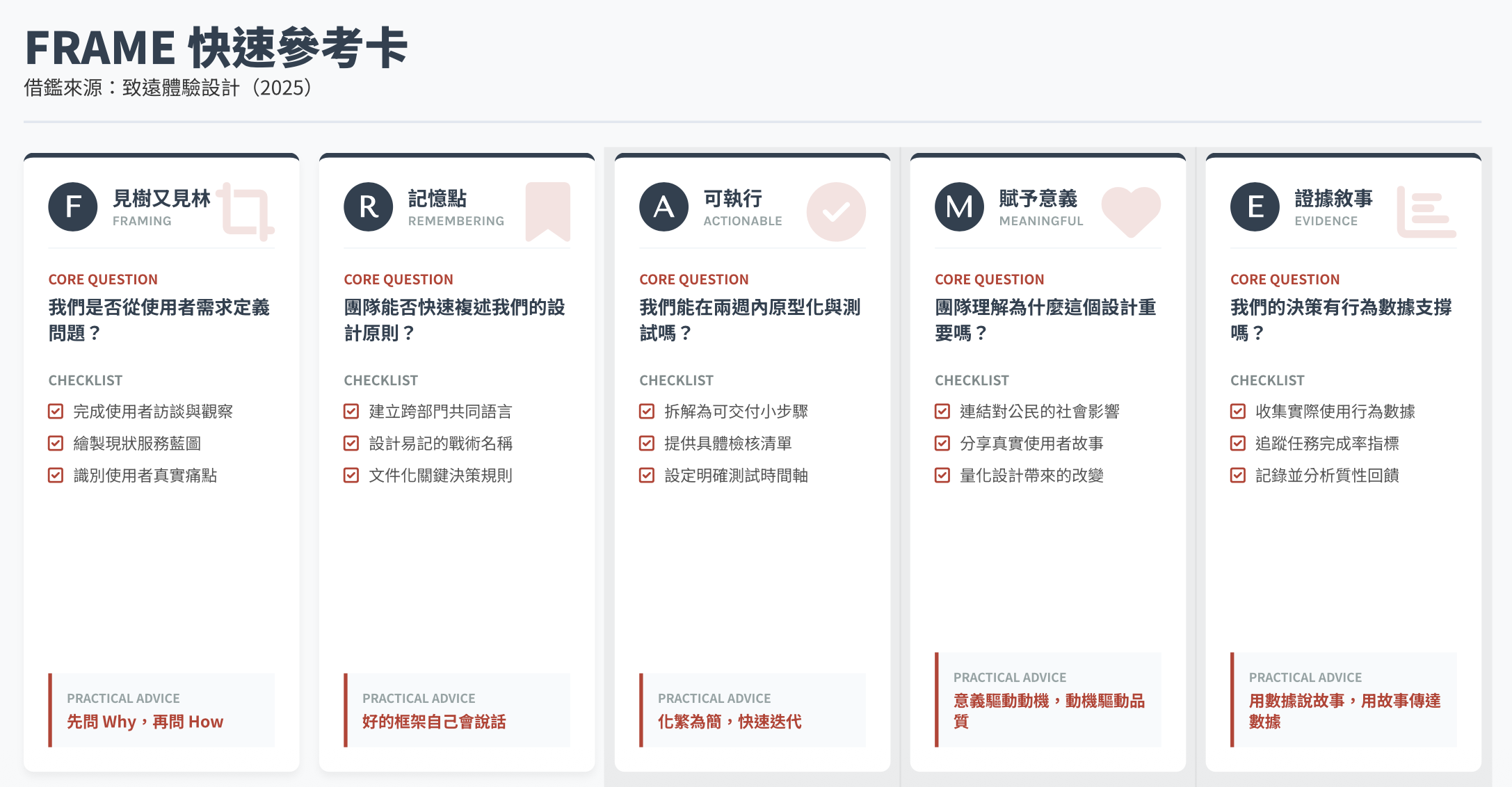
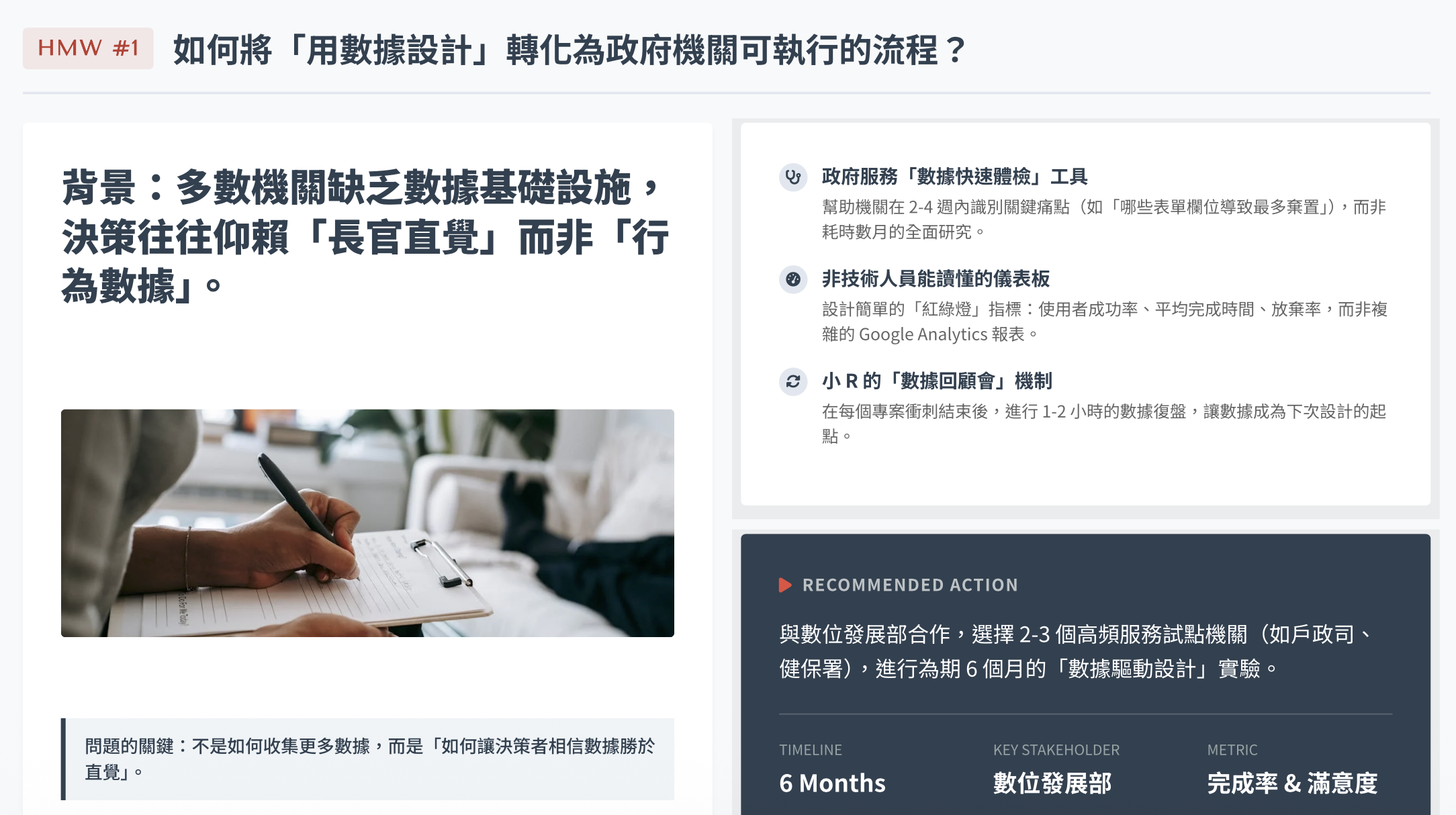
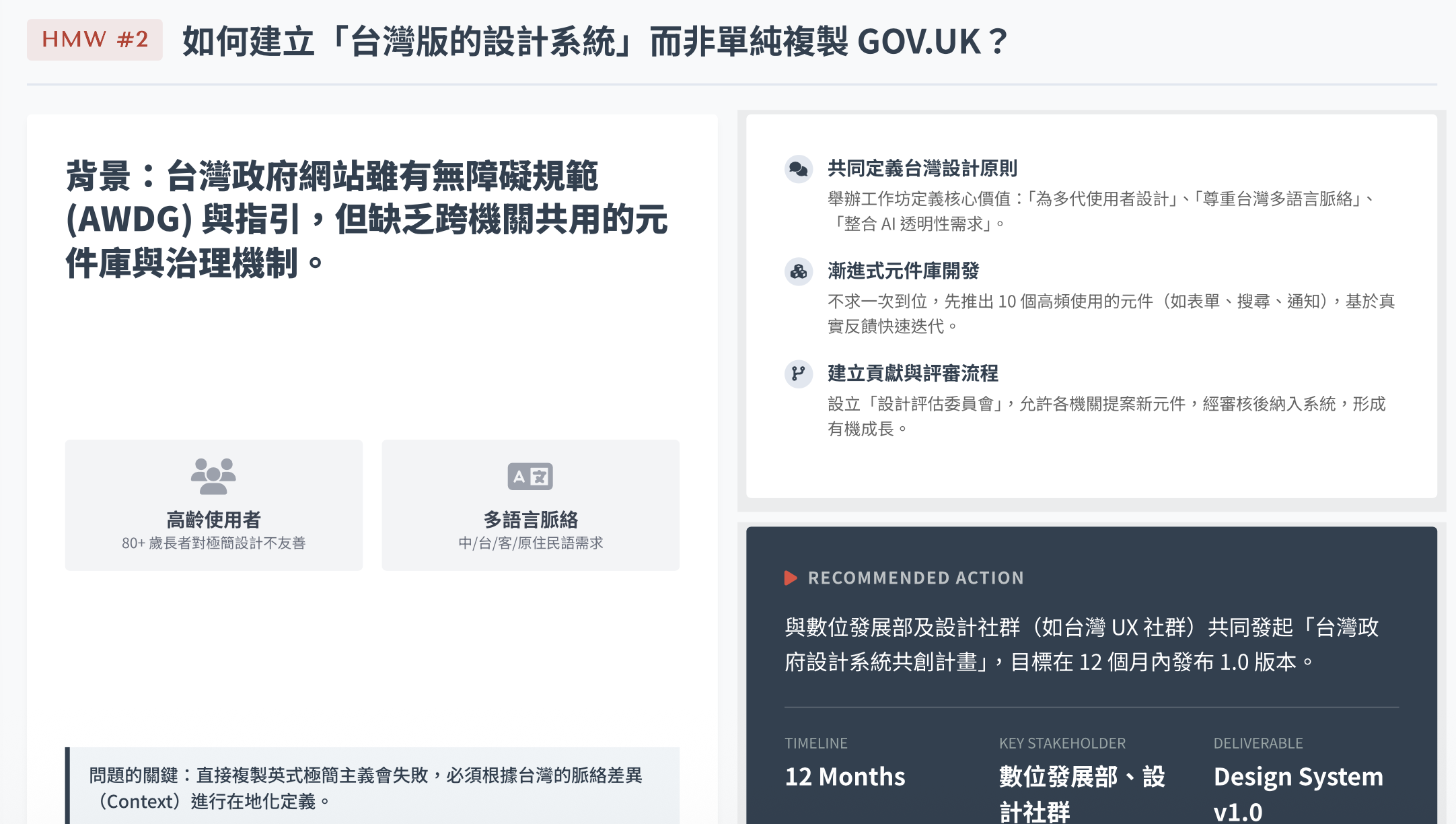
From GOV.UK to Taiwan — A Government UX Transformation Framework
How UK’s GOV.UK / NHS design practice translates into an executable framework for Taiwan in the AI Basic Law era. Direct replication of British minimalism fails — the case rebuilds the design system around Taiwan’s actual context: aging users (80+), multilingual realities (Mandarin / Taiwanese / Hakka / Indigenous languages), and AI transparency requirements. Anchored by a FRAME reference card (Framing · Remembering · Actionable · Meaningful · Evidence) adapted from Chih-Yuan Experience Design (2025).
Client Public-Sector Digital Strategy — Government UX Advisor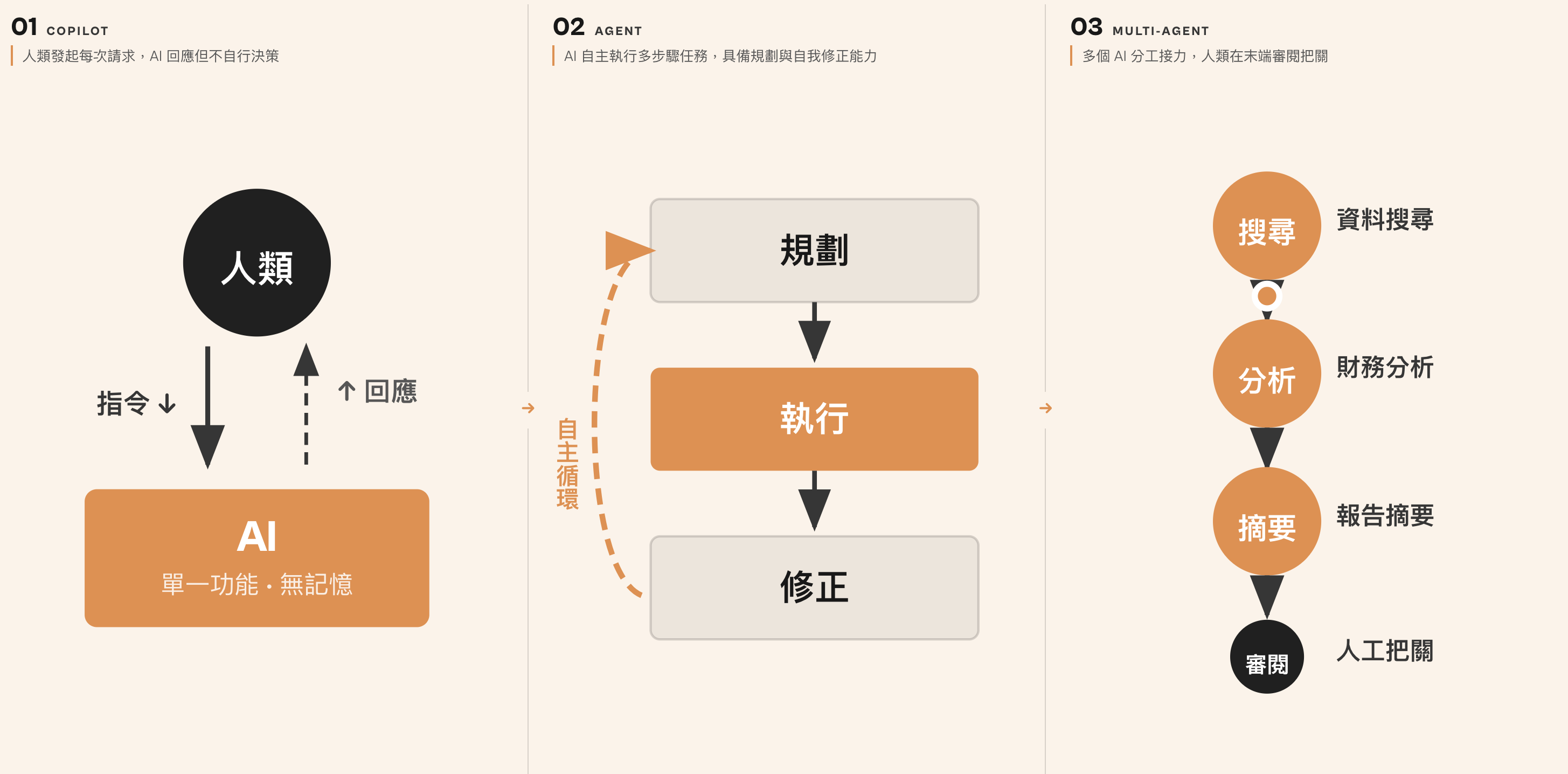
Agent Governance & Multi-Agent UX — Financial Services Executive Curriculum
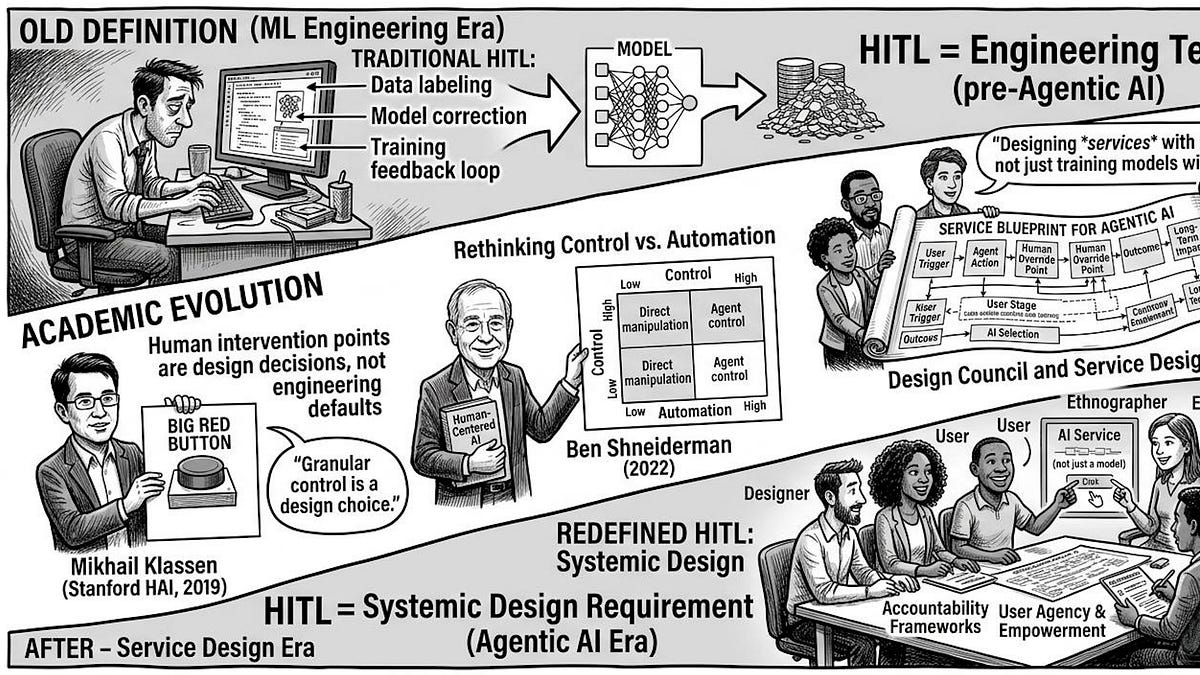
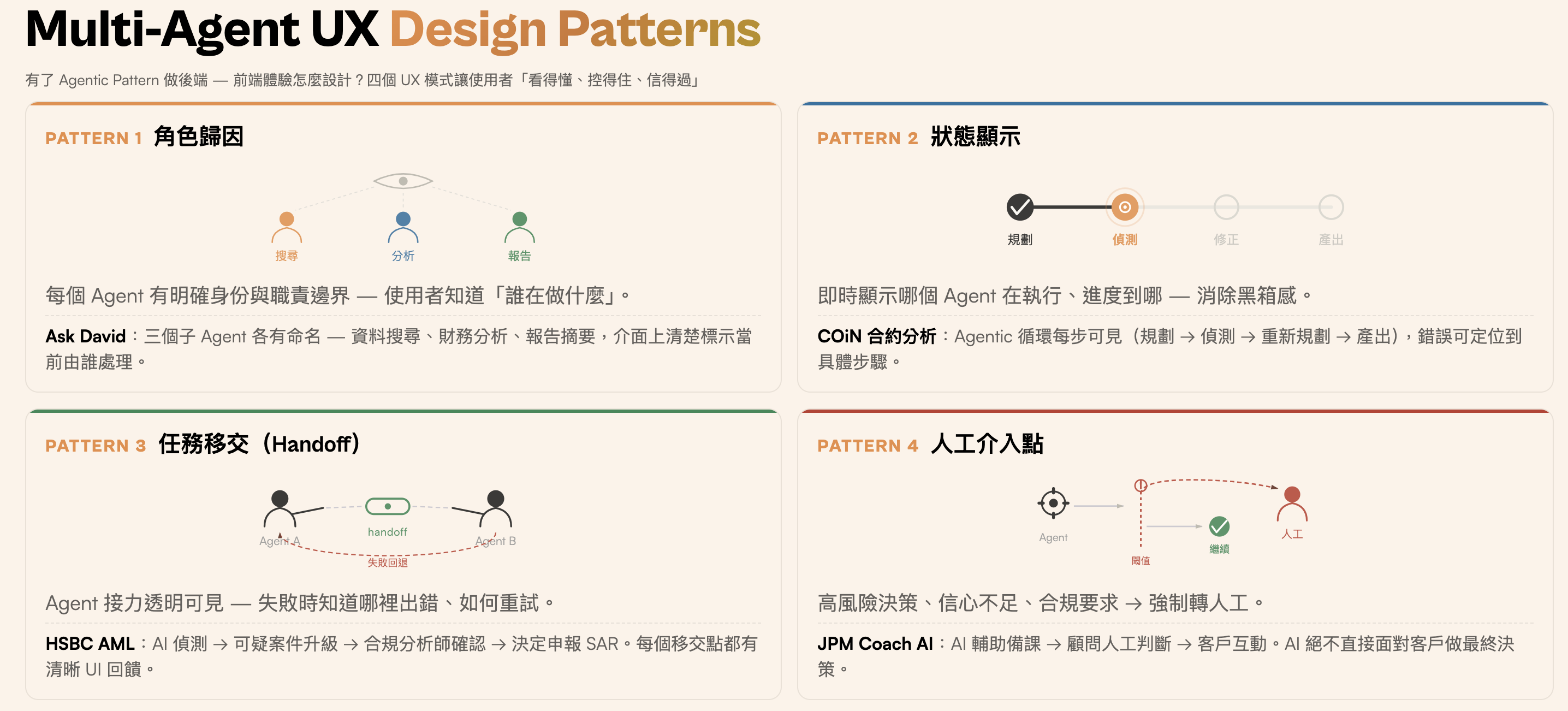
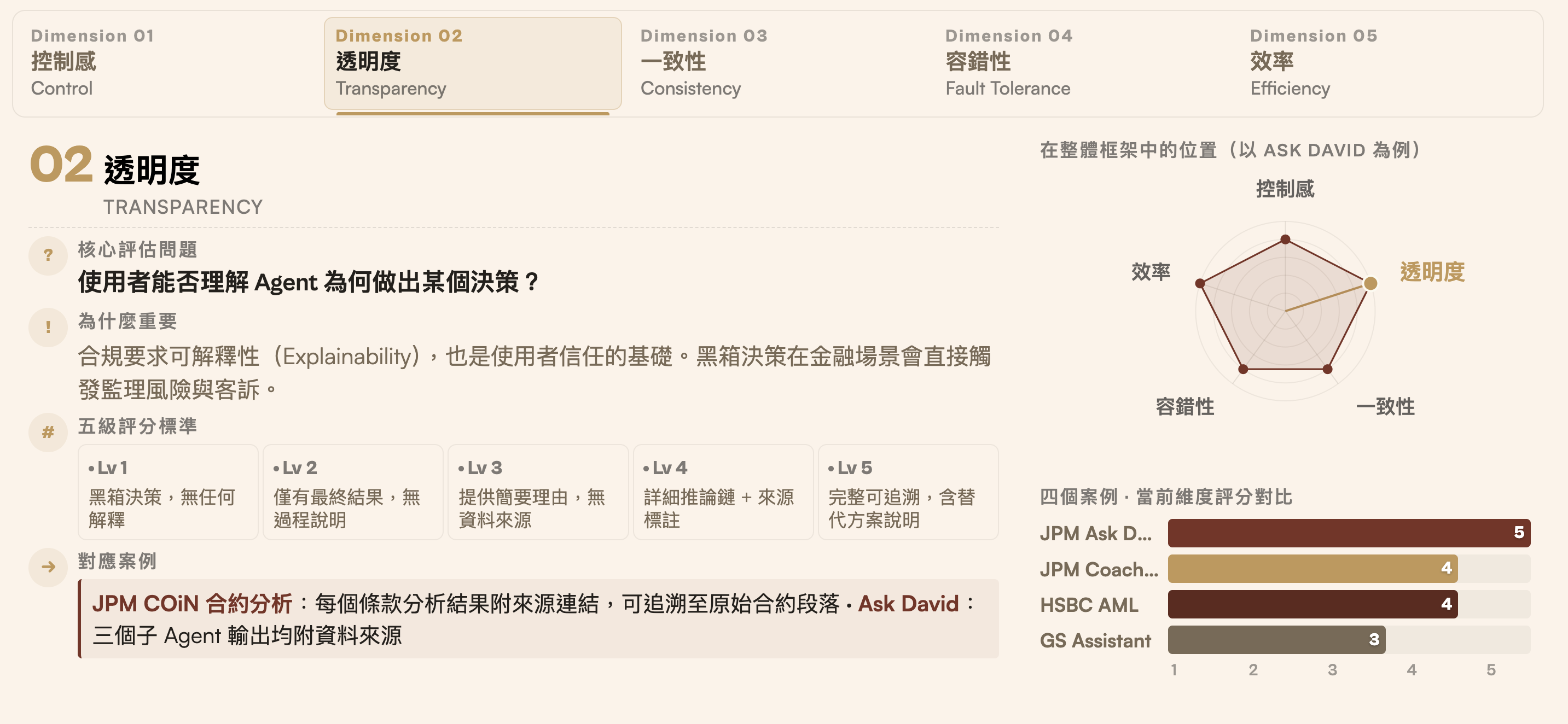
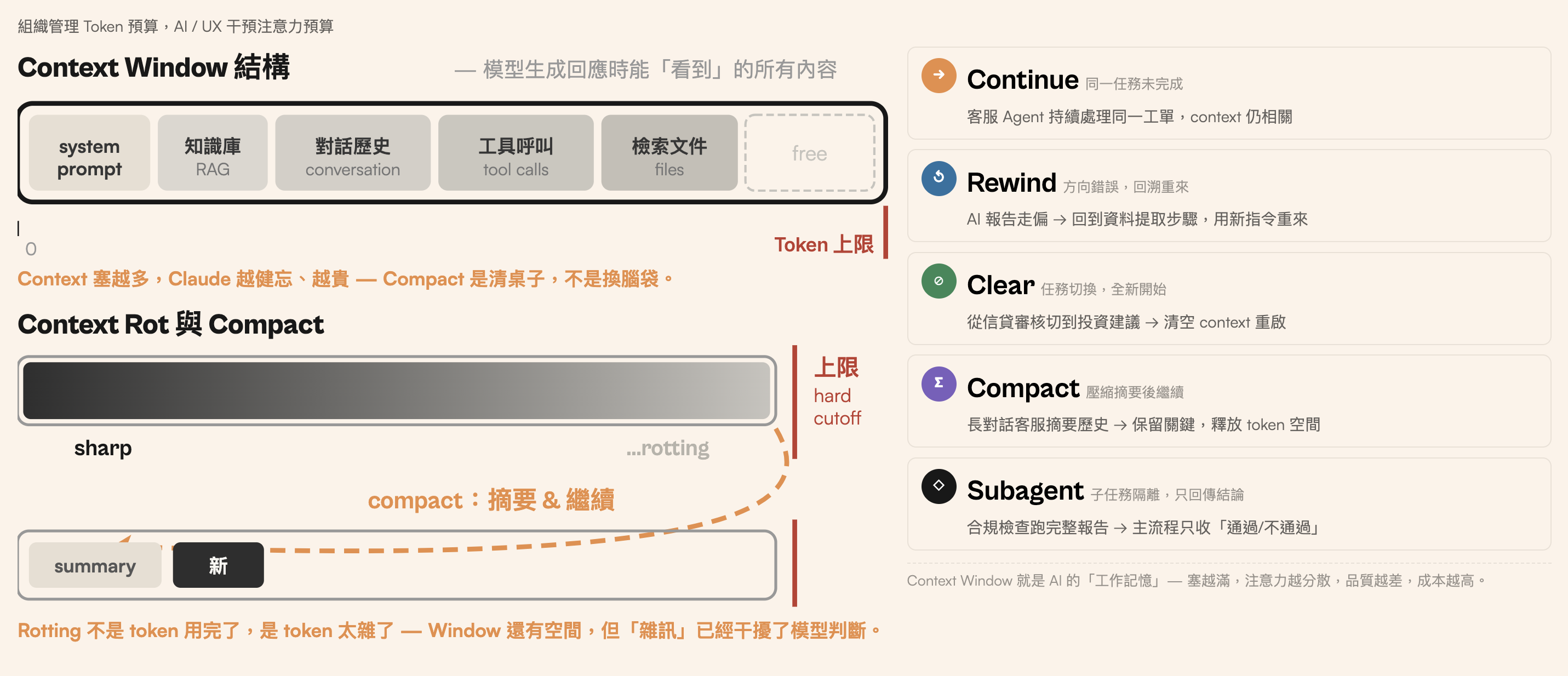
Executive workshop curriculum on turning AI from chatbox pilots into governed, ROI-positive production systems in regulated financial services. The arc moves from Copilot → Agent → Multi-Agent control transfer (each stage with different trust and oversight assumptions), through four frontend patterns—role attribution, status display, transparent handoff, and human intervention points—so users can understand, control, and trust delegated work. A five-dimension experience scorecard (control, transparency, consistency, fault tolerance, efficiency) benchmarks global banking AI deployments; transparency is framed as explainability under compliance, not optional UX polish. The closing module treats the context window as operational “working memory”—context rot, compact/continue/rewind/clear/subagent strategies, and token budgeting as joint AI/UX governance levers.
Client Regional Banking Group — AI/UX Executive Workshop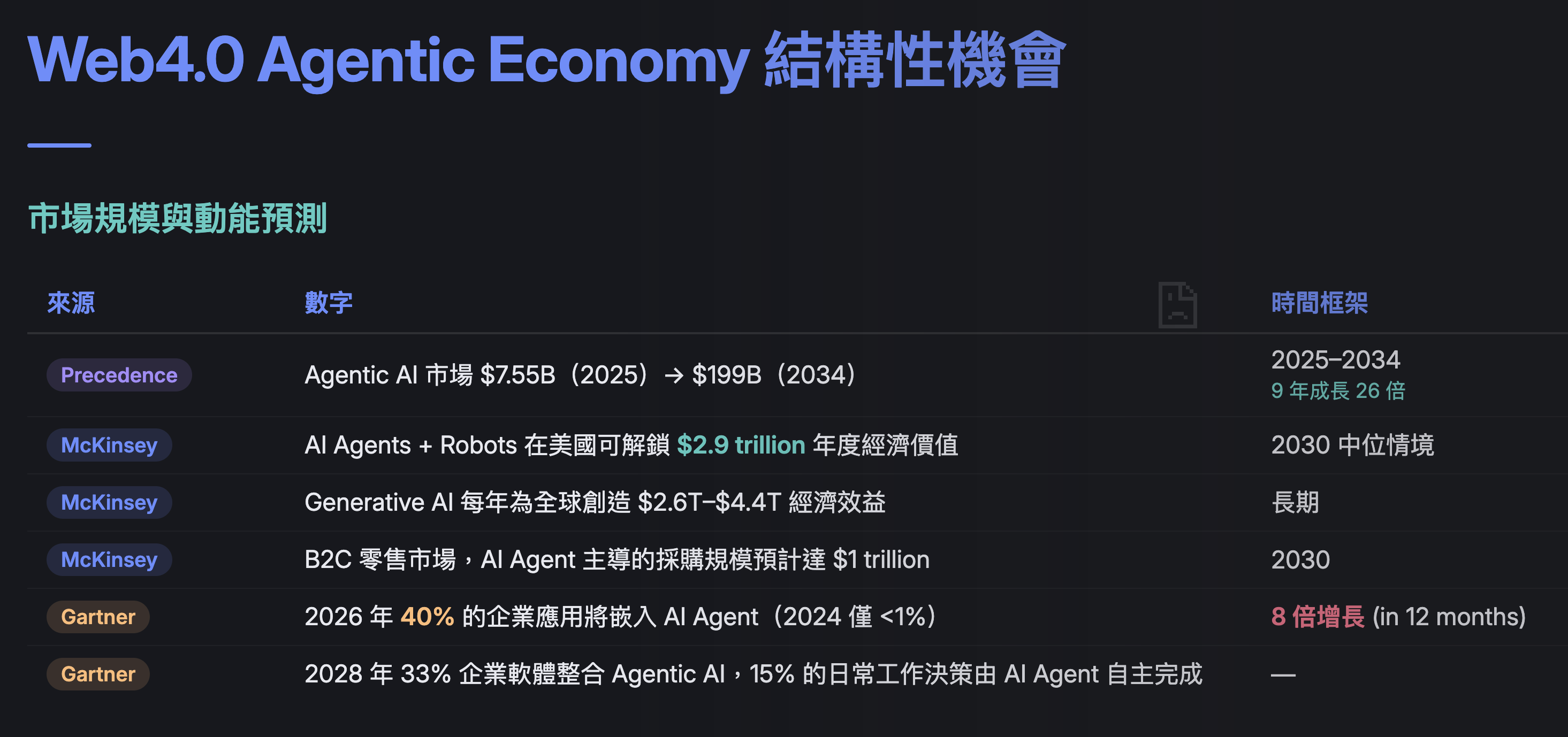
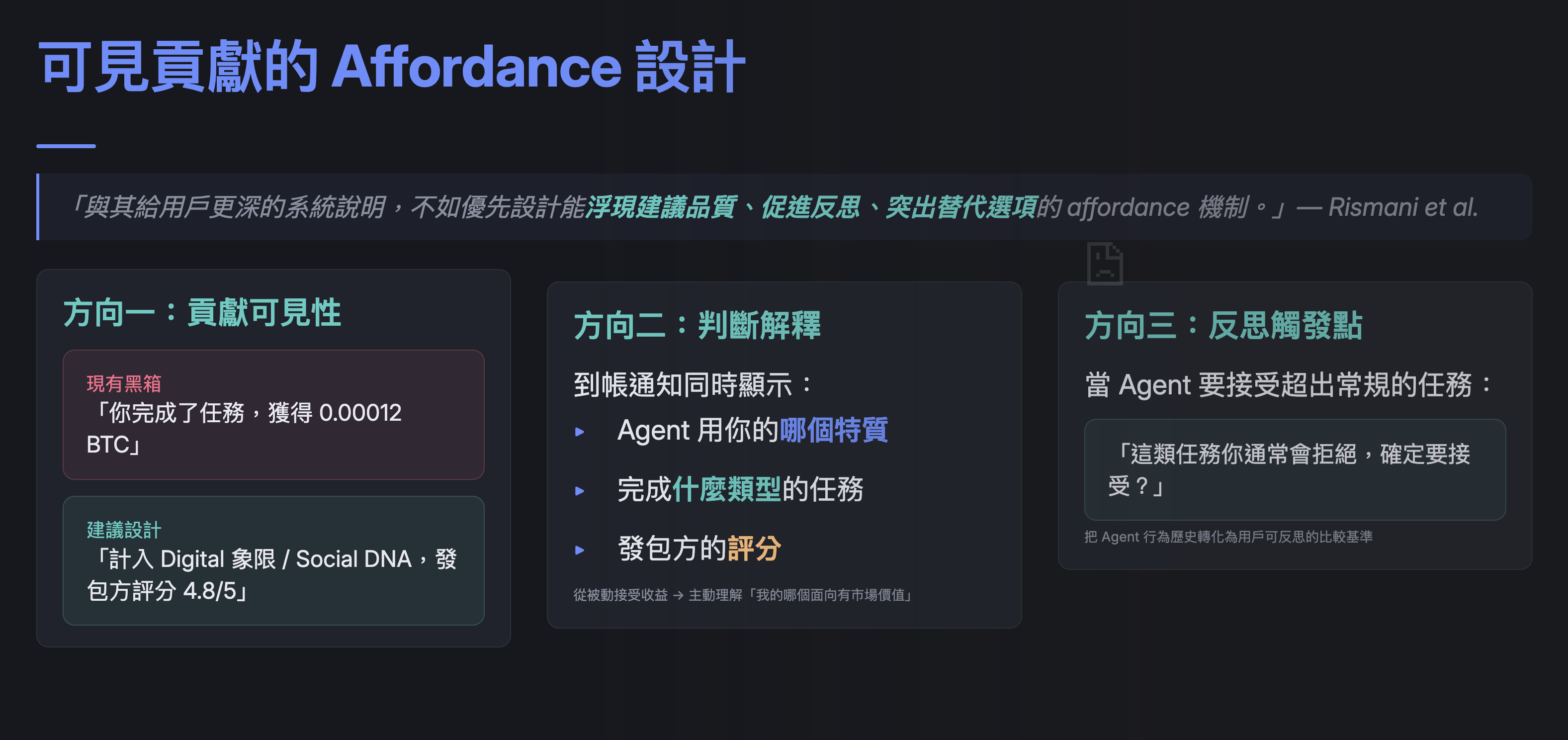
Web4 Agent Economy — Oversight, Breakout Readiness & Visible Contribution UX
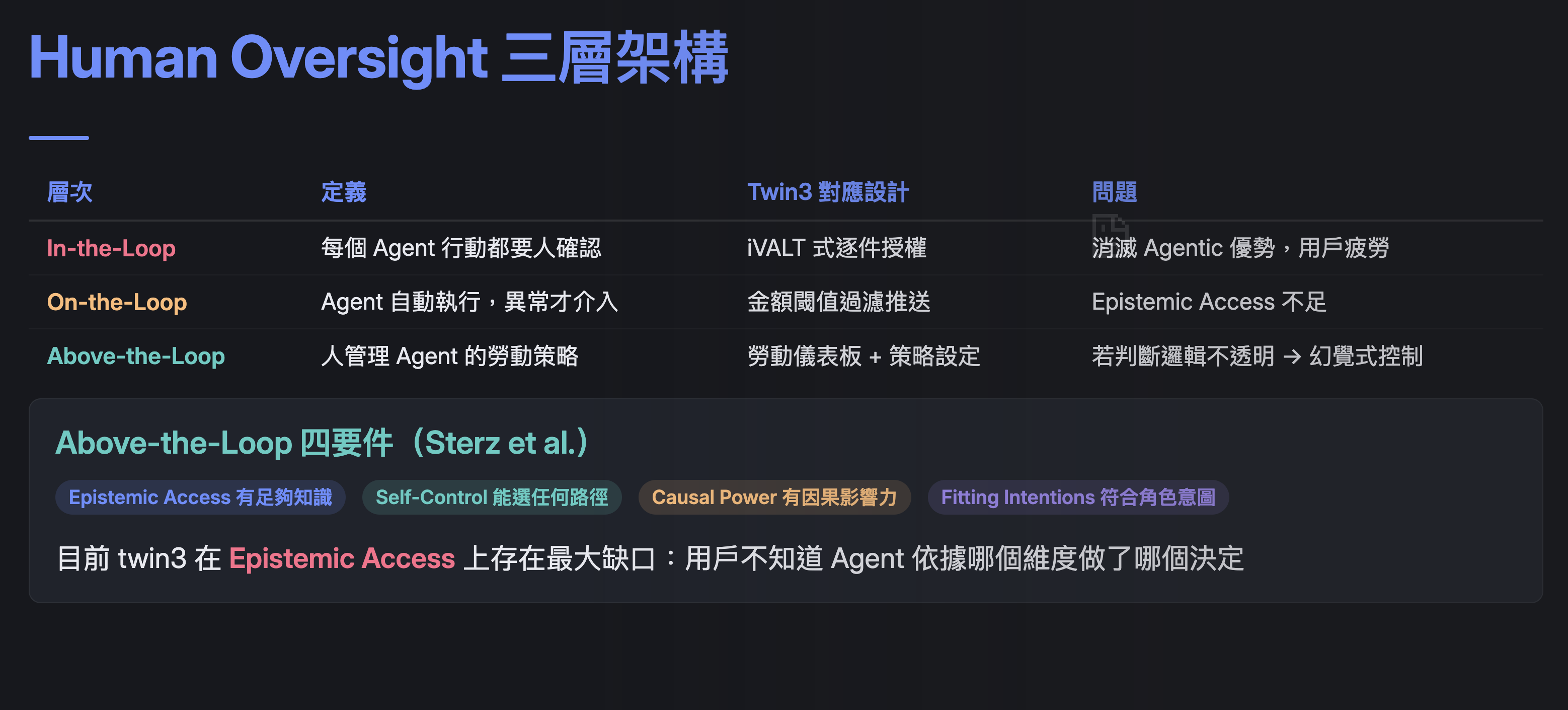
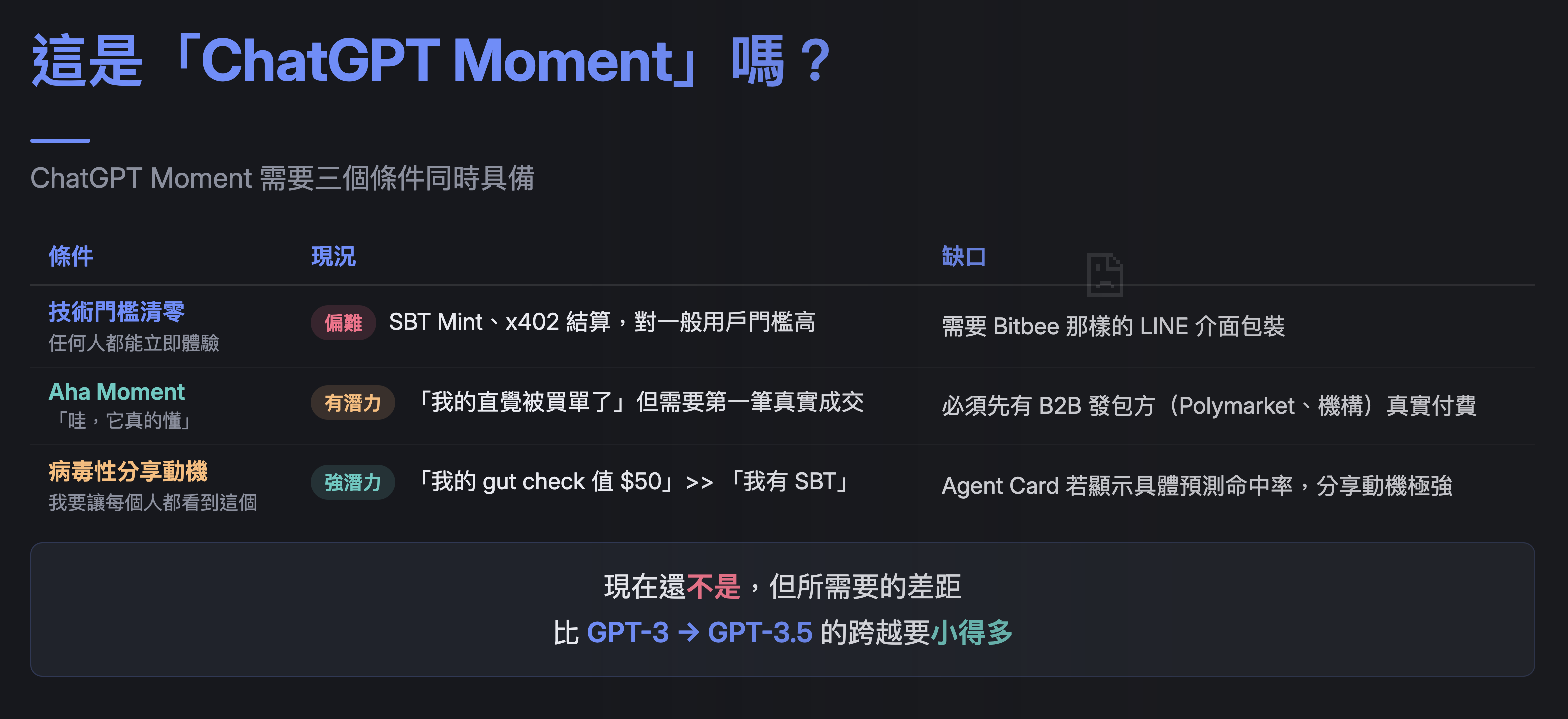
Strategic UX advisory for a Web3 personal-agent platform shifting from passive on-chain identity to paid, delegated labor in a Web4 agentic economy. The analysis anchors market tailwinds (agentic AI toward ~$199B by 2034; enterprise agent embed rates accelerating 8× within 12 months), maps human supervision across In / On / Above-the-loop control, and isolates the decisive gap: Epistemic Access — users cannot see which profile dimensions drove an agent’s call, which breeds illusory control at the strategy layer. A breakout-readiness scorecard tests three simultaneous conditions—frictionless onboarding, a first real payout that validates intuition, and shareable proof of judgment quality over credential display. Recommended design moves favor visible-contribution affordances (payout attribution, judgment explanations, reflection prompts on atypical accepts) over deeper algorithmic disclosure, following Rismani et al.’s reflection-oriented principle.
Client Web3 Personal-Agent Platform — Strategic UX AdvisorPast Clients / Partners

@ HSBC
Hong KongDigital marketing content Strategy & SaaS Implementation

@ Bondee
JapanAI Privacy & Compliance Framework

@ Metadream Tech
SingaporeOrganizational AI Transformation Strategy

@ Cyphant Group
San FranciscoStrategic UX Planning

@ Dramaly
Hong KongAI Development Lifecycle Consulting

@ UserXper
TaiwanAI/UX Ethics and Policy consultant

@ Yidianzixun
ChinaAI Solution Evaluation